
Airbnb vs Long-Term Rental: Could Your Property Work Harder?
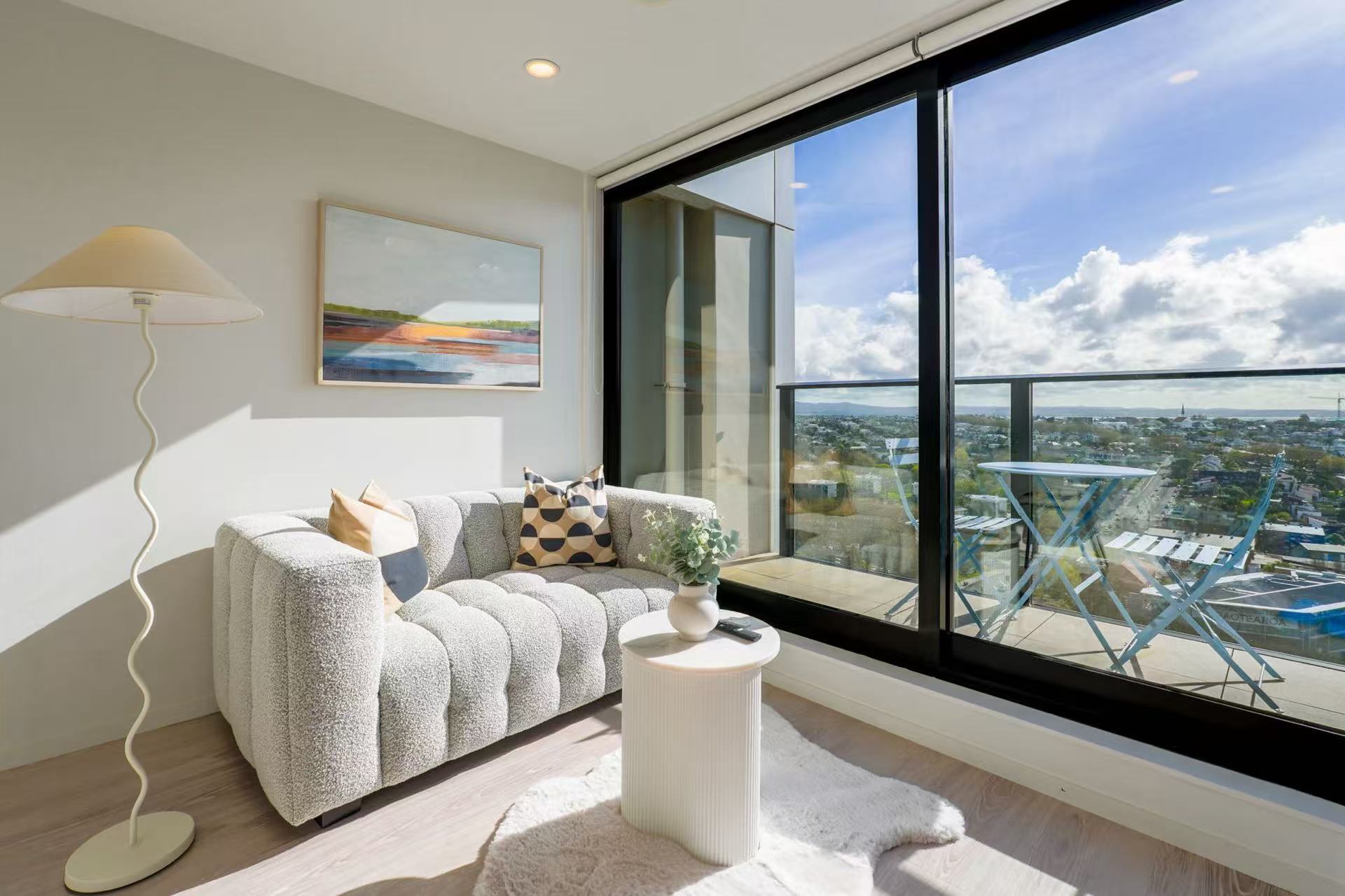
Thinking, “I want to start an Airbnb”, but not sure whether your property would suit it? Before you renew a tenancy or advertise for another tenant, explore what putting your house or apartment on Airbnb could involve. KiwiNest provides property appraisals and full-service Airbnb management in Auckland, Rotorua, Whangārei and Hamilton, including pricing, guest communication, cleaning coordination and day-to-day operations.
The decision starts with what reaches your account over a full year. The weekly rent, the time between tenancies, the cost of preparing the property and the work involved in running it all matter. Our role is to connect the income discussion with a practical way to manage the property.
How much does a gap between tenants really cost?
A weekly rent can look reassuring until the property sits empty. If a home rents for NZ$700 a week, 52 paid weeks would produce NZ$36,400. In a planning scenario with four vacant weeks, the rent collected falls to NZ$33,600. With eight vacant weeks, it falls to NZ$30,800, before other owner expenses.
That is NZ$2,800–5,600 in forgone rent. Mortgage payments, rates and other holding costs can continue while the owner waits for the next tenant. For an owner facing a difficult letting period, the loss deserves as much attention as the advertised weekly price.
These four- and eight-week scenarios show the financial impact of a letting gap; they are not a claim about typical vacancy in any of our service areas. Short stays also have unbooked nights, which belong in the annual appraisal. The useful comparison is expected collected income under each strategy, with realistic costs and availability.
An Auckland CBD appraisal with a different income outlook
For one Auckland CBD two-bedroom property, the long-term annual rental figure was NZ$36,400. KiwiNest's short-stay appraisal estimated annual owner receipts of approximately NZ$47,000 under the appraisal assumptions.
The NZ$47,000 is an assessment of potential owner receipts, not an achieved operating result. The long-term expense basis and the items included in the short-stay appraisal should be aligned before treating the figures as a net profit comparison.
The example gives the owner a concrete reason to investigate a different strategy. Rather than deciding from a nightly price alone, the owner can discuss the estimated receipts, the preparation required and the management arrangements with KiwiNest. The Auckland example remains specific to that property; an appraisal in Rotorua, Whangārei or Hamilton starts with the home in front of us.
What does KiwiNest add beyond putting a property online?
A short-stay property needs active decisions after it is listed. KiwiNest's management services include pricing, guest communication, cleaning coordination and day-to-day operations. These are the tasks that turn a furnished home into a working accommodation business.
Pricing needs attention as booking opportunities change. Guests need clear answers and arrival information. Cleaning needs to fit the booking calendar. Owners need an agreed process for decisions and practical issues. Bringing these activities into one management arrangement reduces the number of separate tasks the owner has to organise.
That is the value of discussing the operating plan alongside the appraisal: you can explore the potential without taking on every message, changeover and pricing decision yourself.
Does the same rental strategy suit all four locations?
No. KiwiNest serves Auckland, Rotorua, Whangārei and Hamilton, but an address in one city is not interchangeable with another. The assessment should consider the property's setting, access, layout, presentation and the reasons a guest would choose it.
A CBD apartment might need particular attention to building access and guest arrival. A house with more rooms may need a different furnishing and cleaning plan. Start with those details rather than applying one city's income assumption to the whole portfolio.
Frequently asked questions
Can I Airbnb my house or apartment?
Start with a property-specific assessment. KiwiNest can discuss the location, layout, availability and short-stay opportunity with you. Check the property's tenancy, building, council and insurance requirements before making it available to guests.
Should I wait until my property is empty to speak with KiwiNest?
You can start the discussion while planning the next stage of the tenancy. Sharing the likely availability date allows the appraisal and preparation discussion to happen before a letting gap begins. Existing tenancy obligations still determine when the property becomes available.
Can KiwiNest manage the property after conversion?
Yes. KiwiNest provides short-term rental management across Auckland, Rotorua, Whangārei and Hamilton, covering guest communication, cleaning coordination, pricing and daily operations within the agreed service scope.
What should I send for an appraisal?
Start with the address, bedroom count, current weekly rent, furnishing status and expected availability. Include your actual letting gaps and owner expenses so the comparison reflects your situation.
Want to put your property on Airbnb? Start with KiwiNest
Before committing to the next long-term tenancy, request a KiwiNest property appraisal. Tell us where the property is and what you want it to achieve. We can discuss the short-stay opportunity and the management behind it, so your next decision starts with your property rather than a generic promise.