
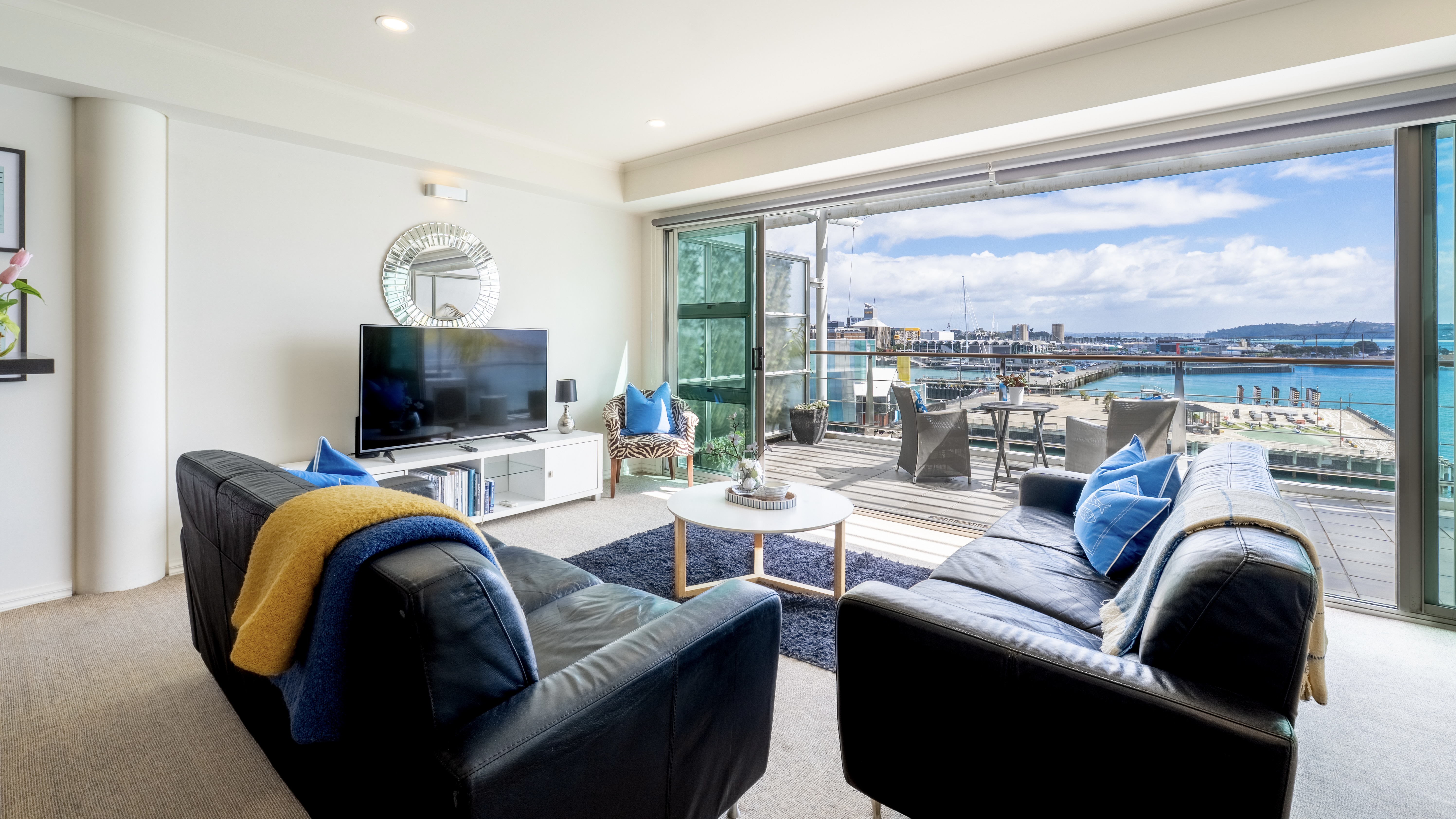
Preparing Your Property for Peak Holiday Season
Auckland’s peak holiday periods can present some of the best earning opportunities of the year for short-term rental property owners. Summer, Christmas and New Year, Easter, and school holidays often bring increased demand from domestic travellers, overseas visitors, families, and business guests extending their stays.
However, higher demand does not automatically guarantee better returns. Properties that are prepared early, priced strategically, and professionally managed are far more likely to attract quality bookings, achieve stronger nightly rates, and deliver a better guest experience.
Here is how to prepare your Auckland property for the next peak holiday season.
1. Start Preparing Early
Successful peak-season hosting begins well before the first guests arrive. Waiting until demand has already increased can mean missing valuable early bookings or rushing important maintenance and presentation work.
Ideally, property owners should begin preparing at least six to eight weeks before major travel periods such as:
- The New Zealand summer season
- Christmas and New Year
- Easter weekend
- New Zealand school holidays
- Major Auckland events and long weekends
Early preparation gives you enough time to complete repairs, refresh the property, update your listing, arrange professional photography, and establish an appropriate pricing strategy.
2. Complete Preventative Maintenance
Small maintenance issues can quickly become major guest complaints during a busy holiday period. Before peak season begins, inspect the property carefully and resolve anything that could affect a guest’s stay.
Important areas to check include:
- Air conditioning, heat pumps, fans, and ventilation
- Hot water pressure and temperature
- Kitchen appliances
- Washing machines and dryers
- Wi-Fi speed and reliability
- Door locks, digital locks, and access instructions
- Smoke alarms and other safety equipment
- Plumbing, drainage, and bathroom fixtures
- Outdoor furniture, balconies, decks, and gardens
Preventative maintenance is especially important during Christmas and New Year, when contractor availability may be limited and emergency call-out fees can be significantly higher.
3. Refresh the Property’s Presentation
Guests are often willing to pay more during peak periods, but they also arrive with higher expectations. Your property should feel clean, welcoming, and thoughtfully prepared from the moment they enter.
A seasonal refresh may include:
- Deep cleaning carpets, upholstery, and curtains
- Replacing stained or worn linen and towels
- Touching up damaged paintwork
- Removing unnecessary personal belongings
- Updating cushions, artwork, or decorative items
- Improving lighting in darker rooms
- Tidying gardens and outdoor areas
- Checking that furniture is stable and in good condition
You do not always need a major renovation. Small, well-chosen improvements can make the property look newer and more appealing in listing photographs.
4. Review Your Linen and Essential Supplies
Peak season often involves back-to-back reservations, leaving little time to deal with missing or damaged items.
Make sure the property has enough:
- Bed linen and pillowcases
- Bath towels, hand towels, and bathmats
- Spare blankets
- Glassware, plates, bowls, and cutlery
- Cooking utensils and basic kitchen equipment
- Toiletries and cleaning products
- Rubbish bags, dishwasher tablets, and laundry supplies
Having additional linen sets available helps cleaners prepare the property efficiently between bookings and reduces the risk of delays.
5. Optimise Your Listing for Seasonal Demand
Your listing should reflect what guests are looking for during the relevant holiday period.
For summer bookings, highlight features such as:
- Outdoor entertaining areas
- Balconies and harbour views
- Air conditioning or fans
- Nearby beaches, parks, and walking tracks
- Easy access to ferries and Auckland attractions
- Family-friendly facilities
- Free parking
During Christmas, Easter, and school holidays, guests may also prioritise larger dining spaces, multiple bedrooms, laundry facilities, full kitchens, and accommodation suitable for extended family groups.
Review your listing title, description, amenities, house rules, and photographs before each major season. Make sure all information remains accurate and that the property’s strongest features appear near the beginning of the listing.
6. Use Professional, Up-to-Date Photography
Photography is one of the biggest factors influencing whether a guest clicks on a listing.
Bright, professional photographs can help your property stand out from competing Auckland holiday rentals and support a stronger nightly rate. Images should accurately show the layout, bedrooms, bathrooms, living areas, outdoor spaces, views, and any special amenities.
If you have upgraded the furniture, repainted the property, changed the bedding, or improved the outdoor area, update your photographs before peak season. Outdated images may undersell the property or create mismatched guest expectations.
7. Set a Dynamic Pricing Strategy
Using one fixed nightly rate throughout the year can leave significant revenue on the table.
Peak-season pricing should consider:
- Current market demand
- Comparable nearby properties
- Local events
- Weekday and weekend differences
- Booking lead time
- Remaining availability
- Length of stay
- Occupancy trends
- Last-minute demand
Prices should not simply be set high and left unchanged. If rates are too low, the property may book too early and miss stronger demand. If they are too high, valuable dates may remain vacant.
Dynamic pricing allows rates to respond to changing market conditions while balancing occupancy and nightly revenue.
8. Review Minimum-Stay Requirements
Minimum-stay rules can help improve revenue and reduce operational pressure during busy periods.
For example, requiring a longer stay over Christmas or New Year may:
- Reduce the number of changeovers
- Lower cleaning and linen logistics
- Attract more committed guests
- Increase the total value of each reservation
- Reduce the risk of isolated, unbookable nights
However, minimum stays should be reviewed regularly. A seven-night requirement may work several months in advance, but it could become too restrictive as the arrival date approaches.
9. Establish Clear Guest Communication
Peak-season guests often have questions about parking, check-in, public transport, local attractions, rubbish collection, and holiday opening hours.
Prepare clear information covering:
- Check-in and check-out procedures
- Parking instructions
- Wi-Fi details
- House rules
- Appliance instructions
- Emergency contacts
- Rubbish and recycling
- Nearby supermarkets, cafés, and restaurants
- Public transport and ferry access
Automated messages can save time, but they should still feel personal and provide information at the correct stage of the guest journey.
10. Protect Your Property
Higher occupancy means more people using the property, so appropriate risk management is essential.
Before accepting peak-season bookings:
- Review your insurance cover
- Confirm your short-term rental use is permitted
- Keep an accurate property inventory
- Document the condition of valuable items
- Establish clear rules regarding parties, smoking, pets, and visitors
- Use noise monitoring where appropriate and legally permitted
- Complete prompt inspections following check-out
- Report damage within the platform’s required timeframe
Clear procedures help protect the property without making responsible guests feel unwelcome.
11. Plan Cleaning and Operational Support
Christmas, New Year, and public holidays can be challenging periods for cleaners, maintenance contractors, linen providers, and guest support teams.
Confirm availability well in advance and establish backup arrangements for unexpected situations. A strong operational plan should cover:
- Cleaning schedules
- Linen collection and delivery
- Property inspections
- Emergency maintenance
- Guest lockouts
- Early check-in or late check-out requests
- Replacement supplies
- Damage reporting
Reliable operations are essential for maintaining positive reviews during busy periods.
Make the Most of Auckland’s Peak Holiday Demand
Preparing a short-term rental for peak season requires more than increasing the nightly rate. Property presentation, maintenance, professional photography, dynamic pricing, guest communication, cleaning coordination, and risk management all influence the final result.
Kiwi Nest Property Management provides end-to-end short-term rental management across Auckland, helping property owners prepare their homes, optimise pricing, manage bookings, coordinate cleaning and maintenance, and deliver a professional guest experience.
If you are considering short-term renting your property or would like to improve the performance of an existing holiday rental, contact Kiwi Nest for a free property appraisal.
No Lock-In. Just Results.